
A roof leak rarely starts as a major problem. In many cases, homeowners notice small changes inside or outside their homes long before significant structural damage occurs. Unfortunately, these early warning signs are often overlooked until water infiltration leads to costly repairs, mold growth, damaged insulation, and weakened structural components.
Understanding the signs of roof leaks can help you take action before a minor issue becomes an expensive emergency. Whether your roof is aging, has recently experienced severe weather, or simply hasn’t been inspected in years, recognizing the warning signs early can save both time and money.
What Are the Most Common Signs of Roof Leaks?
Roof leaks can develop for many reasons, including aging roofing materials, storm damage, clogged gutters, cracked shingles, and deteriorating roof components. While some leaks are obvious, others remain hidden for months before becoming noticeable.
The key is knowing what to look for and scheduling professional roof leak detection when you notice unusual changes in your home.
Below are five warning signs that may indicate a roof leak is already developing.
1. Are Water Stains on Your Ceiling or Walls Getting Bigger?
One of the clearest signs of roof leaks is the appearance of water stains on ceiling surfaces or interior walls. These stains often appear as yellow, brown, or copper-colored discolorations and may gradually expand over time.
Many homeowners assume a small stain is harmless, but it usually indicates that moisture has already penetrated roofing materials and entered the home’s structure. The visible stain is often only a small portion of the actual moisture problem hidden above the ceiling.
Pay attention to:
- Circular or irregular brown stains
- Peeling paint near ceilings
- Bubbling drywall
- Discolored wall corners
- Damp spots after rainfall
If stains continue growing after storms, it may be time to investigate how to find roof leaks before further damage occurs.
2. Do You Notice Damp Attics or Moisture Buildup?
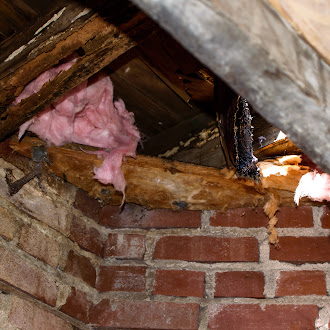
Your attic often provides the earliest clues that your roof is leaking. Because leaks usually begin above the living areas, moisture commonly accumulates in attic spaces before appearing elsewhere.
During a routine inspection, look for:
- Wet insulation
- Damp wooden rafters
- Mold or mildew growth
- Condensation on roof decking
- Musty odors
Persistent moisture can lead to serious roof inspection moisture damage concerns. Excess moisture weakens wood framing, reduces insulation efficiency, and creates an environment where mold can thrive.
Many roofing professionals recommend checking attic spaces after heavy rain, especially if your roof is more than ten years old.
3. Could Damaged Flashing Be Allowing Water Inside?
Flashing is the metal material installed around roof penetrations and vulnerable areas such as chimneys, skylights, vents, valleys, and roof intersections. When damaged flashing develops cracks, gaps, or corrosion, water can easily enter the roofing system.
Because flashing protects areas where roofing materials meet other structures, even small failures can create significant leaks.
Signs of flashing problems include:
- Rusted metal components
- Loose flashing sections
- Missing sealant around roof penetrations
- Water entering near chimneys or vents
- Visible gaps along roof joints
Many homeowners focus only on shingles while overlooking flashing failures. In reality, damaged flashing is one of the most common sources of roof leaks and often requires prompt repairs to prevent ongoing water intrusion.
4. Are Your Roofing Materials Showing Visible Damage?
Visible roof deterioration should never be ignored. Missing shingles, curling edges, cracked roofing materials, and storm-related damage can all create pathways for water to enter your home.
After severe weather, inspect your roof from the ground and watch for:
- Missing shingles
- Cracked shingles
- Curling or buckling materials
- Granule loss
- Sagging roof sections
When roofing materials become compromised, water can penetrate underlying layers and spread throughout the roof structure. Professional roof leak detection services can identify hidden moisture that may not yet be visible inside your home.
Regular inspections are especially important in regions that experience heavy rainfall, strong winds, hailstorms, or extreme seasonal temperature changes.
5. Do You Hear Dripping Sounds or Notice Unexpected Indoor Moisture?
Not all roof leaks create visible stains immediately. Sometimes homeowners first notice unusual sounds or moisture-related issues.
Warning signs may include:
- Dripping sounds inside walls
- Damp flooring near exterior walls
- Unexpected humidity indoors
- Mold growth on ceilings
- Musty smells after rainfall
These symptoms often indicate that water has been entering the structure for an extended period. Waiting too long can result in damaged framing, ruined insulation, electrical hazards, and expensive restoration work.
If water actively enters your home during a storm, you may need emergency roof repair services to stop further damage while permanent repairs are arranged.
How Can You Find Roof Leaks Before They Become Serious?
Many homeowners wonder how to find roof leaks before visible interior damage appears. While some leaks are easy to spot, others can travel along rafters and structural components before becoming noticeable.
A professional inspection typically includes:
- Examining roofing materials
- Inspecting flashing and sealants
- Checking attic spaces
- Evaluating ventilation systems
- Identifying moisture intrusion points
- Using specialized roof leak detection equipment
Advanced moisture detection tools can often locate hidden leaks before significant structural damage occurs.
Why Is Immediate Leaking Roof Repair Important?
Delaying leaking roof repair can create a chain reaction of problems throughout your home. What begins as a small leak may eventually affect insulation, drywall, flooring, electrical systems, and structural framing.
Prompt repairs help prevent:
- Mold and mildew growth
- Wood rot
- Ceiling collapse
- Energy efficiency loss
- Interior water damage
- Higher repair costs
The sooner a leak is addressed, the less likely it is to require extensive reconstruction work.
When Should You Schedule a Roof Inspection?
Even if you haven’t noticed obvious signs of roof leaks, regular inspections are an important part of home maintenance. Most roofing professionals recommend inspections:
- Once or twice annually
- After major storms
- Before buying a home
- When selling a property
- After noticing moisture issues indoors
A thorough roof inspection can identify small problems before they develop into major leaks that require expensive repairs.
Conclusion
Recognizing the signs of roof leaks early can help protect your home from costly water damage and structural problems. Whether you notice water stains on ceiling surfaces, damp attic insulation, damaged flashing, deteriorating roofing materials, or unexplained moisture indoors, these warning signs should never be ignored.
Taking action quickly through professional roof leak detection, routine inspections, and timely leaking roof repair can prevent minor roofing issues from turning into major restoration projects. If water is actively entering your home, seeking emergency roof repair may be necessary to minimize damage and restore your roof’s integrity.
Frequently Asked Questions
1. What are the earliest signs of roof leaks?
The earliest signs of roof leaks often include water stains on ceilings, musty odors in the attic, damp insulation, mold growth, and visible roof damage such as cracked shingles or damaged flashing.
2. How do professionals perform roof leak detection?
Professional roof leak detection typically involves a detailed roof inspection, attic evaluation, moisture testing, and specialized equipment designed to locate hidden water intrusion.
3. Can damaged flashing cause a roof leak?
Yes. Damaged flashing is one of the most common causes of roof leaks because it protects vulnerable areas around chimneys, skylights, vents, and roof joints where water can easily penetrate.
4. When should I call for emergency roof repair?
You should seek emergency roof repair if water is actively entering your home, a storm has severely damaged your roof, or structural components appear compromised.
5. How often should I inspect my roof for leaks?
Most experts recommend a professional roof inspection at least once or twice per year, as well as after major storms, to identify signs of roof leaks before they cause significant damage.